
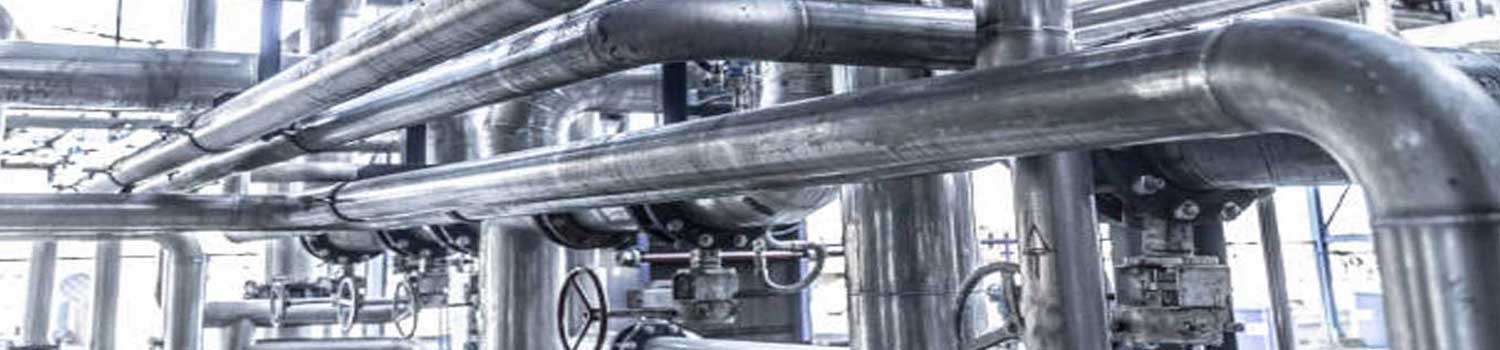
Steam Pipe Line
System Design:
Determine the purpose of the steam system, including the required temperature and pressure. Calculate the load and size of the pipes based on the amount of steam needed.
Consider insulation requirements to prevent heat loss.
Material Selection:
Choose appropriate materials for the pipes based on the temperature and pressure of the steam. Common materials include carbon steel, stainless steel, or alloy steel.
Ensure that all components, such as fittings and valves, are suitable for steam service.
Safety Considerations:
Follow safety guidelines and codes relevant to steam systems, such as ASME (American Society of Mechanical Engineers) standards. Include safety features like pressure relief valves to prevent overpressurization.
Pipe Sizing:
Calculate the required pipe size based on the steam flow rate and pressure drop. Consider factors such as condensate return and pipe fittings in sizing calculations.
Pipe Layout and Routing:
Plan the layout of the pipe system, taking into account factors such as accessibility, expansion, and contraction. Minimize the number of bends and turns to reduce pressure drop. Ensure proper support and anchoring of pipes to prevent sagging or movement.
Insulation:
Install insulation on the steam pipes to conserve energy and maintain the desired temperature. Use suitable insulation materials based on the temperature of the steam.
Installation:
Assemble and install the pipes according to the approved design. Weld or thread the joints securely, ensuring there are no leaks. Follow proper welding procedures and techniques, especially if working with high-pressure steam.
Testing and Commissioning:
Conduct pressure tests to ensure the integrity of the steam pipe system. Check for leaks and address any issues before commissioning the system. Start the system gradually and monitor for any abnormal conditions.
Operation and Maintenance:
Establish a regular maintenance schedule for the steam pipe system. Train personnel on the proper operation and maintenance procedures. Monitor steam traps and address any issues promptly.
Documentation:
Keep comprehensive documentation, including as-built drawings, test records, and maintenance logs.